

Is Facebook Still Worth It for Ads in 2025?
By Izabela Novak | September 04, 2025
Facebook remains one of the biggest platforms for marketing, with billions of active users. Many businesses rely on Facebook ads to reach new customers and drive sales. In 2025, the question stands: is Facebook still worth it for ads? Marketers want to know if investing in Facebook ads brings value compared to other digital channels, like SEO. As trends change and platforms evolve, it’s important to revisit the effectiveness of Facebook for paid campaigns.
Facebook offers advanced targeting, allowing businesses to tailor ads to specific demographics and interests. This has long been a key reason marketing teams choose Facebook over other options. Even as SEO stays essential for organic growth, paid ads on Facebook can deliver quick results. Marketers like the platform’s range of ad formats and the ability to measure results in real time. For many, it’s about striking the right balance between SEO and paid ads for overall marketing success.
Digital marketing strategies now include multiple channels, from search engines to social networks. Facebook ads stand out because of their reach and versatility. Small businesses and large brands can both find value in Facebook’s marketing tools. But competition for user attention has increased, and ad costs can fluctuate. Marketers must consider if Facebook ads in 2025 still provide a solid return on investment. SEO offers long-term benefits, but ads can offer immediate visibility. Some businesses use both to maximize impact.
Algorithm changes, privacy updates, and shifting user behavior all influence the effectiveness of Facebook marketing. Staying informed and adaptable is critical. Advertisers want platforms where their message gets seen and leads to real results. Facebook’s long history in digital marketing makes it a go-to option, but every year brings new challenges. As marketing budgets come under scrutiny, businesses review which channels give the best value. Facebook continues to innovate, adding features to its ad platform that help businesses reach their target audience. Whether Facebook ads will be worth it in 2025 depends on how marketers use the platform, track results, and adjust strategies to match changing trends.
The Current State of Facebook Ads
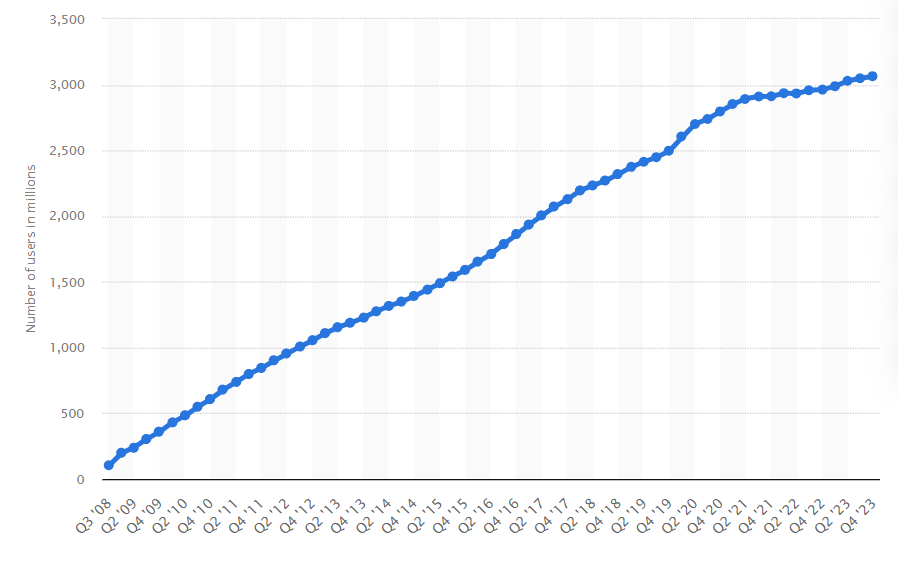
Facebook remains one of the largest social platforms, with nearly three billion monthly active users. Its ad ecosystem continues to offer marketers broad reach and diverse targeting options. In 2025, Facebook ads still play a significant role in digital marketing strategies for businesses of all sizes. The platform’s extensive data allows for precise audience targeting, making it a valuable channel for both brand awareness and direct response campaigns.
Marketers leverage various ad formats to suit different goals. Image and video ads are the most used, providing clear visuals and messaging. Carousel and collection ads enable brands to showcase multiple products within a single campaign. Stories and Messenger ads drive mobile engagement, which is crucial as most users now access Facebook via mobile devices. These options make Facebook flexible for ecommerce, lead generation, and content promotion, working well alongside seo efforts to boost visibility and engagement.
Costs for Facebook ads continue to fluctuate based on several factors. Audience size, ad placement, competition, and seasonality all affect pricing. There are no set rates, so marketers need to monitor their spending and adjust bids as needed. Campaign budgets can be tailored to fit small businesses or scaled up for larger brands. Marketers often pair Facebook ads with seo to maximize traffic and conversion rates. Facebook’s analytics tools provide detailed insights into ad performance, including reach, clicks, conversions, and ROI. This data helps marketers refine campaigns, optimize targeting, and improve creative elements over time.
Privacy changes and increased competition have influenced how marketers approach Facebook ads. Updates to user privacy and data tracking have made targeting more challenging in certain regions. However, Facebook continues to invest in new ad products and creative tools, enabling marketers to experiment with different formats. Integration with other Meta platforms, like Instagram and WhatsApp, expands reach and supports broader marketing campaigns.
In 2025, Facebook ads remain a core component of digital marketing, especially when integrated with seo efforts. Brands that adapt to changing trends and use Facebook’s tools effectively can still achieve strong results from their advertising spend.
Advantages of Using Facebook Ads
Facebook remains a powerful marketing platform for 2025. One major advantage is the platform's massive user base. With billions of monthly active users, businesses gain unmatched access to diverse audiences. This reach allows brands to grow their presence and increase visibility far beyond organic efforts or traditional SEO techniques.
Facebook ads offer precision targeting. Marketers can define audiences using location, age, interests, and behaviors. This means ads reach the most relevant users, improving engagement and reducing wasted spending. Marketers can tailor campaigns for specific customer segments, supporting better ROI compared to broad, unfocused marketing methods.
The flexibility of Facebook ad formats is another advantage. Marketers can choose from image, video, carousel, and story ads. Each format serves different marketing goals, whether showcasing a product, telling a brand story, or driving direct sales. Interactive formats like Instant Experience and Collection ads boost engagement. These features help brands stand out in crowded news feeds.
Detailed analytics set Facebook apart from many other ad platforms. Marketers track performance in real time. They can see impressions, clicks, conversions, and more. These insights allow quick adjustments to campaigns. Marketers use data to refine targeting, optimize creative, and maximize budget effectiveness. This data-driven approach pairs well with SEO strategies that rely on continuous improvement.
Budget control is strong with Facebook ads. Businesses set daily or lifetime budgets to match their resources. This makes Facebook accessible for small startups and large enterprises alike. Flexible options let marketers pause, adjust, or scale campaigns instantly. Brands can test different creatives and audience settings. The ability to A/B test ads improves marketing outcomes over time.
Integration with other digital marketing tools strengthens results. Facebook supports retargeting and lookalike audiences, connecting with people who have already visited your website. Marketers can sync Facebook ads with broader SEO and content marketing efforts. By aligning ad messages with organic content, brands build authority and trust.
For brands in 2025, Facebook ads offer scalability, targeting, and actionable data. These features help marketing teams achieve goals efficiently. The platform supports both brand awareness and direct conversions, making it versatile for many industries.
Challenges and Limitations
Advertising on Facebook in 2025 comes with a set of unique challenges for marketers. The platform faces increased competition, making it harder for ads to stand out. Many businesses now run Facebook campaigns, crowding user feeds and raising the bar for creativity. This makes it necessary to invest more time and resources into crafting compelling ads.
Another issue is rising costs. As more businesses compete for limited ad space, prices go up. Small businesses may struggle to keep up with larger brands that can outbid them. Marketing budgets must stretch further to maintain visibility. This cost factor makes it important to weigh Facebook ads against other digital marketing channels, such as SEO or Google Ads, which might provide better returns in some cases.
Ad fatigue is a growing concern. When users see too many similar ads, they stop engaging. Facebook’s algorithms work to optimize ad delivery, but frequency can still cause users to ignore or even hide ads. Marketers must constantly refresh creative assets and try new formats to combat fatigue and maintain performance.
Targeting limitations have also increased. Changes in privacy policies and tracking restrictions now limit how much data Facebook can use. Marketers may find it harder to reach precise audiences, especially after updates to iOS and ongoing changes to privacy laws. This impacts both ad targeting and tracking conversions, making it more difficult to measure campaign success.
Competition from other platforms is fierce. TikTok, Instagram, and other social networks continue to attract young audiences and take ad market share. Marketers must decide whether to focus resources on Facebook or explore emerging channels. Integration with other marketing strategies, such as SEO, can help but adds complexity to campaign planning.
Algorithm changes are another challenge. Facebook frequently updates its algorithms, affecting how and where ads appear. Marketers need to stay informed and adapt quickly, or risk decreased reach and wasted spend. Constant monitoring and optimization are needed to succeed in this fast-changing environment.
In summary, Facebook remains a powerful tool for ads and marketing, but limitations are real. Marketers must be proactive, adaptable, and mindful of costs. A balanced approach that includes SEO and other strategies may offer the best results for 2025.
Best Practices for Facebook Advertising in 2025
Facebook remains central to digital marketing in 2025. The platform offers reach and tools that can complement your SEO and other ads strategies. To succeed, marketers must adapt their approach as the platform evolves.
Start by defining clear goals for your Facebook ads campaigns. Choose objectives that match your business needs, such as brand awareness, lead generation, or sales. Precise goals help shape messaging and targeting. Use Meta Ads Manager to set your parameters and track success.
Audience targeting is critical. Facebook provides detailed targeting based on interests, demographics, and behaviors. Use custom audiences from your website or email list for retargeting. Lookalike audiences can help find new prospects similar to your best customers. Test different audience segments to see what works best.
Creative assets should be mobile-first. Most users access Facebook on mobile devices. Use images and videos that load quickly and look sharp on small screens. Keep text concise and messaging clear. Strong visuals and a straightforward call to action improve engagement and drive better marketing results.
Leverage Facebook's advanced ad formats. Carousel, collection, and instant experience ads allow you to showcase multiple products or features. Stories ads engage users in a full-screen mobile environment. Experiment with different formats to see which ones resonate most with your audience.
Analyze performance data regularly. Use Facebook's built-in analytics to track key metrics such as reach, clicks, conversions, and return on ad spend. Compare this data to other seo or marketing channels to understand the real value of your Facebook ads. Adjust your campaigns based on what the data tells you.
Budget wisely. Start with a modest budget and scale up once you see positive results. Use A/B testing to compare creative, audiences, and placements. Pause or adjust underperforming ads quickly to avoid wasting spend.
Align your Facebook ads strategy with broader seo and digital marketing efforts. Consistent messaging across channels builds trust and brand recognition. Updating creatives and offers regularly keeps your marketing fresh and relevant. Facebook remains a dynamic platform for reaching buyers when best practices are followed.
Conclusion
Facebook remains a key player in digital marketing. Its vast user base means that ads can reach millions daily. Both small businesses and large brands benefit from targeted campaigns. Marketing on Facebook continues to offer options for different budgets. With its deep targeting capabilities, businesses can focus on specific audiences. This level of precision helps brands get the most from their ad spend.
SEO strategies complement Facebook ads. Marketers use both to grow brand awareness and drive conversions. While search engines bring organic traffic, Facebook ads provide immediate visibility. Integrating both approaches creates a balanced marketing strategy. This dual approach also helps businesses adapt to changes in the digital landscape.
Facebook’s ads manager gives detailed performance insights. Marketers track ad results and adjust campaigns in real-time. These analytics help businesses improve their return on investment. Regular testing of ad formats and creative styles keeps campaigns fresh. Flexibility is essential as Facebook updates its platform and tools.
Concise visuals and clear calls to action remain important. Mobile-friendly ads are a must, as most users access Facebook on smartphones. Brands see better engagement when ads fit user behavior and preferences. Messenger and Stories ads offer new ways to connect with audiences. Creative, well-placed ads drive higher engagement and sales.
Facebook is not without challenges. Ad costs can vary, and competition is strong. Privacy rules and algorithm changes may affect reach. Yet, marketers who keep up with trends stay ahead. SEO knowledge helps marketers adapt as Facebook evolves. By testing and analyzing data, businesses find what works best for their audience.
In 2025, Facebook still offers value for advertising. Ads on the platform increase visibility and support marketing goals. Success depends on staying informed, using analytics, and refining strategies. With a focus on audience targeting, creative content, and integration with SEO, Facebook remains a powerful tool for marketers.
FAQ
Is Facebook still worth advertising on in 2025?
Yes, Facebook remains a major platform for digital marketing in 2025, offering broad reach, advanced targeting, and various ad formats that help businesses achieve quick results alongside SEO efforts.
What are the key advantages of Facebook ads?
Facebook ads provide precision targeting based on demographics, interests, and behaviors, a wide range of ad formats (image, video, carousel, stories), detailed real-time analytics, budget control, and integration with other Meta platforms like Instagram and WhatsApp.
How do Facebook ads complement SEO?
While SEO focuses on long-term organic growth, Facebook ads deliver immediate visibility and targeted traffic. Using both strategies together helps maximize brand awareness, engagement, and conversions.
What ad formats does Facebook offer?
Facebook offers image, video, carousel, collection, stories, Messenger, and Instant Experience ads, allowing marketers to tailor campaigns for different goals such as product showcasing, brand storytelling, mobile engagement, and direct sales.
How does Facebook's targeting work?
Facebook allows advertisers to target audiences by location, age, interests, behaviors, and use custom or lookalike audiences to reach potential customers similar to existing ones, improving engagement and reducing wasted spend.
What factors affect the cost of Facebook ads?
Ad costs fluctuate based on audience size, ad placement, competition, and seasonality. Marketers need to monitor spending, adjust bids, and manage budgets that fit their business size and goals.
What challenges do marketers face with Facebook advertising?
Challenges include increased competition, rising costs, ad fatigue, targeting limitations due to privacy changes, algorithm updates, and strong competition from other social platforms like TikTok and Instagram.
How has privacy affected Facebook ad targeting?
Privacy updates and tracking restrictions limit the data Facebook can use for targeting, making it harder to precisely reach audiences and measure conversions in some regions.
What role does analytics play in Facebook advertising?
Facebook’s analytics provide detailed insights into reach, clicks, conversions, and ROI, enabling marketers to refine targeting, optimize creatives, and improve campaign performance continuously.
How should businesses approach budget management on Facebook?
Businesses should start with modest budgets, use A/B testing to compare ads, pause or adjust underperforming campaigns, and scale spending based on positive results to maximize return on investment.
Can Facebook ads be integrated with other marketing strategies?
Yes, Facebook ads work well alongside SEO and content marketing, allowing retargeting, lookalike audiences, and consistent messaging across channels to build brand authority and trust.
What are best practices for creating Facebook ad content?
Ad creatives should be mobile-first, with concise text, clear calls to action, and engaging visuals. Testing different formats and regularly refreshing creative assets help maintain audience interest and combat ad fatigue.
Who benefits from using Facebook ads?
Both small businesses and large brands can benefit from Facebook’s flexible budgets, extensive targeting options, and scalable ad formats, making it suitable for various industries and marketing goals.
How important is adapting to changes on Facebook?
Staying informed about algorithm updates, privacy policies, and user behavior shifts is critical. Marketers must be adaptable, monitoring and optimizing campaigns to maintain effectiveness in a competitive environment.
Does Facebook offer tools for testing and optimization?
Yes, Facebook provides tools for A/B testing creatives, audiences, and placements, helping marketers identify what works best and improve campaign results over time.
Are you ready to create more, and write less?
Improve your SEO strategy today! Try Yazo for free.

Trusted by over 5,000 small businesses to boost their online visibility.
COMPLIANT
yazo.ai
